
At Seebergers Dermatology, we help patients identify what their skin truly needs so they can restore comfort, balance, and long-term skin health.
Dry Skin Verses Dehydrated Skin
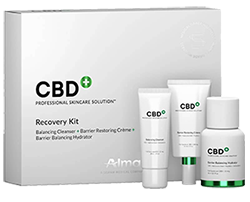
Give your skin a boost with our Alma CBD Anti-Aging & Recovery Kits, designed to help calm inflammation, support skin repair, and restore a healthier, more radiant appearance.

Skin Care
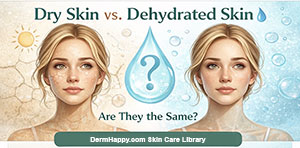
Dry Skin vs. Dehydrated Skin: What’s the Difference — and Why It Matters
Many patients use the terms dry and dehydrated interchangeably when describing their skin. While they can look and feel similar, they are not the same condition. Understanding the difference is important because treatment approaches are different — and using the wrong products can actually make symptoms worse.
At Seebergers Dermatology, we help patients identify what their skin truly needs so they can restore comfort, balance, and long-term skin health.
Dry Skin?
Dry skin is a skin type. It is genetically determined and produces less oil (sebum) than normal.
Sebum plays a critical role in protecting the skin barrier. When oil production is low, the skin struggles to retain moisture and protect itself from environmental stressors.
Common Signs of Dry Skin:
- Flaking or scaling
- Rough texture
- Itching
- Redness or irritation
- Fine lines that appear more noticeable
- Tightness, especially after washing
Dry skin often feels uncomfortable year-round but may worsen in colder months or in low-humidity environments.
Because dry skin lacks oil, it benefits from richer moisturizers that contain:
- Ceramides
- Shea butter
- Petrolatum
- Squalane
- Fatty acids
These ingredients help replenish the lipid barrier and prevent moisture loss.
What Is Dehydrated Skin?
- Dehydrated skin is a temporary condition, not a skin type. It occurs when the skin lacks water, not oil.Even oily or acne-prone skin can become dehydrated.Dehydration is often caused by:
- Harsh cleansers
- Over-exfoliation
- Sun exposure
- Wind or dry climates
- Indoor heating or air conditioning
- Inadequate water intake
- Certain medications
Common Signs of Dehydrated Skin:
- Dull appearance
- Tightness without flaking
- Increased sensitivity
- Fine lines that appear suddenly
- Skin that looks tired or “crepey”
- Makeup settling into lines
A simple clue: if your skin feels tight but still looks shiny or produces oil, it is likely dehydrated rather than dry.
Dehydrated skin needs water-binding ingredients, such as:
- Hyaluronic acid
- Glycerin
- Aloe vera
- Panthenol
These humectants draw water into the skin. However, they should be paired with a light moisturizer to seal that hydration in.
Why the Difference Matters
Using heavy, oil-rich creams on dehydrated but oily skin can clog pores.
Using lightweight hydrating serums alone on truly dry skin may not provide enough barrier repair.
When the skin barrier is compromised, irritation increases, breakouts may worsen, and sensitivity becomes more pronounced.
Correct identification leads to:
- Better product selection
- Improved comfort
- Healthier barrier function
- More predictable treatment results
Can You Have Both?
Yes. Many patients have dry and dehydrated skin at the same time.
For example, someone with naturally dry skin who also uses a retinoid or exfoliating treatment may experience additional dehydration. In these cases, treatment requires both barrier repair and water replenishment.
When to See a Dermatologist
Persistent dryness, itching, redness, or scaling may indicate conditions such as eczema, dermatitis, or psoriasis. If over-the-counter moisturizers are not helping, a professional evaluation can identify underlying causes and provide targeted treatment.
At Seebergers Dermatology, we evaluate skin barrier health, hydration levels, and environmental factors to create a plan tailored to your specific skin needs.
The Bottom Line
- Dry skin lacks oil.
- Dehydrated skin lacks water.
- One is a skin type.
- The other is a temporary condition.
- Treatment strategies differ.
If you’re unsure which category your skin falls into, schedule a consultation with Seebergers Dermatology. Healthy skin starts with understanding what it truly needs.