
Most people know smoking increases the risk of heart disease, lung disease, and certain cancers. What many don’t realize is that it also has a profound effect on the body’s largest organ: your skin.
How Tobacco Accelerates Collagen Loss and Premature Aging

Skin Care
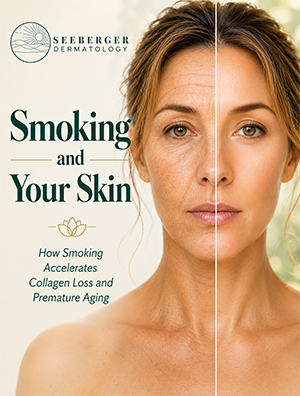
Smoking and Your Skin: How Tobacco Accelerates Collagen Loss and Premature Aging
Most people know smoking increases the risk of heart disease, lung disease, and certain cancers. What many don’t realize is that it also has a profound effect on the body’s largest organ: your skin.
Long before other health problems become noticeable, smoking may begin changing the way your skin looks and feels. Fine lines can appear earlier, wrinkles become deeper, and skin may lose its healthy glow. Much of this happens because smoking speeds the breakdown of collagen, one of the skin’s most important structural proteins.
Understanding how smoking affects your skin can help you make informed decisions about protecting your appearance and your overall skin health.
What Is Collagen?
Collagen is the most abundant protein in the body and serves as the skin’s structural support system. It provides firmness, strength, and elasticity, helping skin remain smooth and resilient.
Beginning in our twenties, collagen production naturally slows. This gradual decline is a normal part of aging, contributing to thinner skin and the development of fine lines over time.
Smoking accelerates this process, causing collagen to break down more quickly than it can be replaced.
How Smoking Damages Collagen
Cigarette smoke contains thousands of chemicals, many of which damage healthy skin cells.One of the most significant effects is reduced blood flow. Nicotine causes blood vessels to narrow, limiting the oxygen and nutrients delivered to the skin. Without an adequate blood supply, skin has fewer resources to repair itself and produce healthy collagen.Smoking also increases oxidative stress by generating unstable molecules called free radicals. These molecules damage collagen fibers and interfere with the skin’s natural repair processes.
In addition, smoking stimulates enzymes known as matrix metalloproteinases (MMPs), which break down collagen and elastin. Elastin gives skin its ability to stretch and return to its original shape. Together, collagen and elastin provide the firmness and flexibility associated with youthful skin.
When these proteins deteriorate faster than the body can replace them, the visible signs of aging become more pronounced.
Why Smokers Often Develop Wrinkles Earlier
Premature wrinkles are one of the most recognizable effects of long-term smoking.Years of repeated lip movement while inhaling can contribute to the fine vertical lines that develop around the mouth, sometimes called “smoker’s lines.” At the same time, collagen loss allows wrinkles throughout the face to become deeper and more noticeable.Smoking also contributes to:
- Loss of skin firmness
- Increased sagging
- More prominent crow’s feet
- Dull, tired-looking skin
- Uneven skin tone
These changes often make the skin appear older than a person’s actual age.
Smoking Slows Your Skin's Ability to Heal
Healthy circulation plays an essential role in wound healing. Because smoking reduces blood flow, cuts, scrapes, and surgical incisions often take longer to heal.
This can be especially important for individuals considering cosmetic or dermatologic procedures. Slower healing may increase recovery time and can affect overall treatment results.
Quitting smoking before and after certain procedures may improve healing and support better outcomes.
Does Vaping Affect the Skin?
Electronic cigarettes eliminate many of the harmful byproducts created by burning tobacco, but researchers are still studying their long-term effects on skin health.
Many vaping products still contain nicotine, which narrows blood vessels and reduces circulation. While vaping may expose the skin to fewer toxins than traditional cigarettes, nicotine itself may still interfere with collagen production and healthy skin repair.
As research continues, it’s clear that avoiding nicotine altogether offers the greatest benefit for skin health.
Can Your Skin Recover After You Quit Smoking?
The encouraging news is that your skin has an impressive ability to recover.
When smoking stops, circulation begins to improve, allowing more oxygen and nutrients to reach skin cells. Over time, many people notice healthier skin tone, improved brightness, and better overall skin quality.
Although wrinkles and collagen loss cannot be completely reversed, quitting smoking slows further damage and gives your skin the opportunity to repair itself more effectively.
The earlier you quit, the more collagen you may be able to preserve.
Treatments That May Improve the Appearance of Smoking-Related Skin Damage
While no treatment can erase years of smoking, modern dermatology offers several options that may improve the appearance of aging skin.Depending on your skin’s condition and your goals, your dermatologist may recommend treatments such as:
- Medical-grade skincare products
- Prescription retinoids to encourage collagen production
- Chemical peels
- Microneedling with radio frequency
- Laser skin resurfacing
- Neuromodulators, such as Botox®, to soften expression lines
- Dermal fillers to restore lost facial volume
A personalized treatment plan can address your specific concerns while supporting healthier-looking skin.
Protect Your Skin for the Future
One of the best investments you can make in your skin is protecting the collagen you already have.Simple lifestyle habits can make a meaningful difference:
-
- Quit smoking or avoid tobacco products altogether.
- Wear a broad-spectrum sunscreen every day.
- Eat a balanced diet rich in fruits, vegetables, and lean protein.
- Stay well hydrated.
- Follow a consistent skincare routine.
- Schedule regular skin evaluations with a board-certified dermatologist.
Healthy Skin Starts with Healthy Choices
Collagen naturally declines as we age, but smoking dramatically speeds that process. By reducing blood flow, increasing oxidative stress, and breaking down collagen and elastin, tobacco use contributes to wrinkles, sagging skin, slower healing, and premature aging.
The good news is that it’s never too late to make positive changes. Quitting smoking, protecting your skin from the sun, and maintaining healthy skincare habits can all help preserve your skin’s health and appearance for years to come.
If you’re concerned about premature skin aging or would like to learn about treatments that may improve your skin’s appearance, a consultation with a dermatologist can help you explore options tailored to your individual needs.