
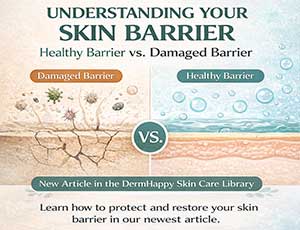
When the skin barrier is healthy, your skin feels smooth, hydrated, and comfortable. When it becomes damaged, skin can quickly become dry, irritated, or sensitive.
Understanding Your Skin Barrier (And How to Protect It)
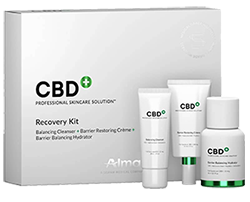
Give your skin a boost with our Alma CBD Anti-Aging & Recovery Kits, designed to help calm inflammation, support skin repair, and restore a healthier, more radiant appearance.

Skin Care
Understanding Your Skin Barrier (And How to Protect It)
Your skin does much more than simply cover your body. It functions as a sophisticated protective system that shields you from the outside world. One of the most important parts of that system is the skin barrier, sometimes called the moisture barrier. When this barrier is healthy, your skin feels smooth, hydrated, and comfortable. When it becomes damaged, skin can quickly become dry, irritated, or sensitive.
Understanding how the skin barrier works can help you take better care of your skin and avoid many common skin problems.
What Is the Skin Barrier?
The skin barrier is the outermost layer of your skin, known as the stratum corneum. It is often described as a “brick and mortar” structure. The skin cells are the bricks, and natural lipids (fats) act as the mortar holding everything together.
This layer serves two main purposes:
- Keeps moisture in.
The barrier prevents excessive water from escaping your skin, helping maintain hydration and elasticity. - Keeps irritants out.
It blocks environmental pollutants, bacteria, allergens, and harsh chemicals from penetrating deeper layers of the skin.
When functioning properly, the skin barrier helps maintain healthy, balanced skin.
Signs Your Skin Barrier May Be Damaged
- When the skin barrier is compromised, it becomes less effective at protecting and hydrating your skin. You might notice symptoms such as:
- Persistent dryness
- Redness or irritation
- Flaking or rough texture
- Burning or stinging when applying products
- Increased sensitivity to skincare products
- Breakouts or inflammation
Many people mistake these symptoms for simple dryness, but the underlying issue may actually be a weakened skin barrier.
What Causes Skin Barrier Damage?
- Several everyday habits and environmental factors can disrupt the skin barrier.Common causes include:
Over-cleansing or harsh cleansers
Using strong soaps or washing your face too frequently can strip away protective oils.Over-exfoliation
Scrubs, chemical exfoliants, and retinoids are helpful when used correctly, but overuse can weaken the barrier.Weather and climate
Cold air, dry climates, and sun exposure can all affect the skin’s ability to retain moisture.Hot showers
Very hot water can remove natural oils and leave skin vulnerable to dryness.Certain skincare products
Products with strong fragrances, alcohol, or irritating ingredients may disrupt the skin’s natural balance.
Why the Difference Matters
Using heavy, oil-rich creams on dehydrated but oily skin can clog pores.
Using lightweight hydrating serums alone on truly dry skin may not provide enough barrier repair.
When the skin barrier is compromised, irritation increases, breakouts may worsen, and sensitivity becomes more pronounced.
Correct identification leads to:
- Better product selection
- Improved comfort
- Healthier barrier function
- More predictable treatment results
How to Protect and Repair Your Skin Barrier
The good news is that the skin barrier can often recover with the right care.
Here are several ways to help restore and protect it:
Use a Gentle Cleanser
Choose a mild, fragrance-free cleanser that cleans the skin without stripping natural oils.
Moisturize Regularly
Moisturizers containing ingredients like ceramides, hyaluronic acid, and glycerin help restore hydration and reinforce the barrier.
Avoid Over-Exfoliating
Limit exfoliation to a few times per week unless your dermatologist recommends otherwise.
Protect Your Skin From the Sun
Daily sunscreen helps prevent sun damage, which can weaken the skin barrier over time.
Keep Skincare Simple
When skin is irritated, simplify your routine. Using fewer products can help reduce inflammation while the barrier heals.
When to See a Dermatologist
If your skin remains irritated, dry, or sensitive despite adjusting your routine, a dermatologist can help determine what is causing the problem. Conditions like eczema, rosacea, and dermatitis are often linked to barrier disruption and may require targeted treatment.
A healthy skin barrier is the foundation of healthy skin. With proper care and the right skincare routine, most people can restore their skin’s natural balance and protect it for the long term.